


1. The Matrix (1999)
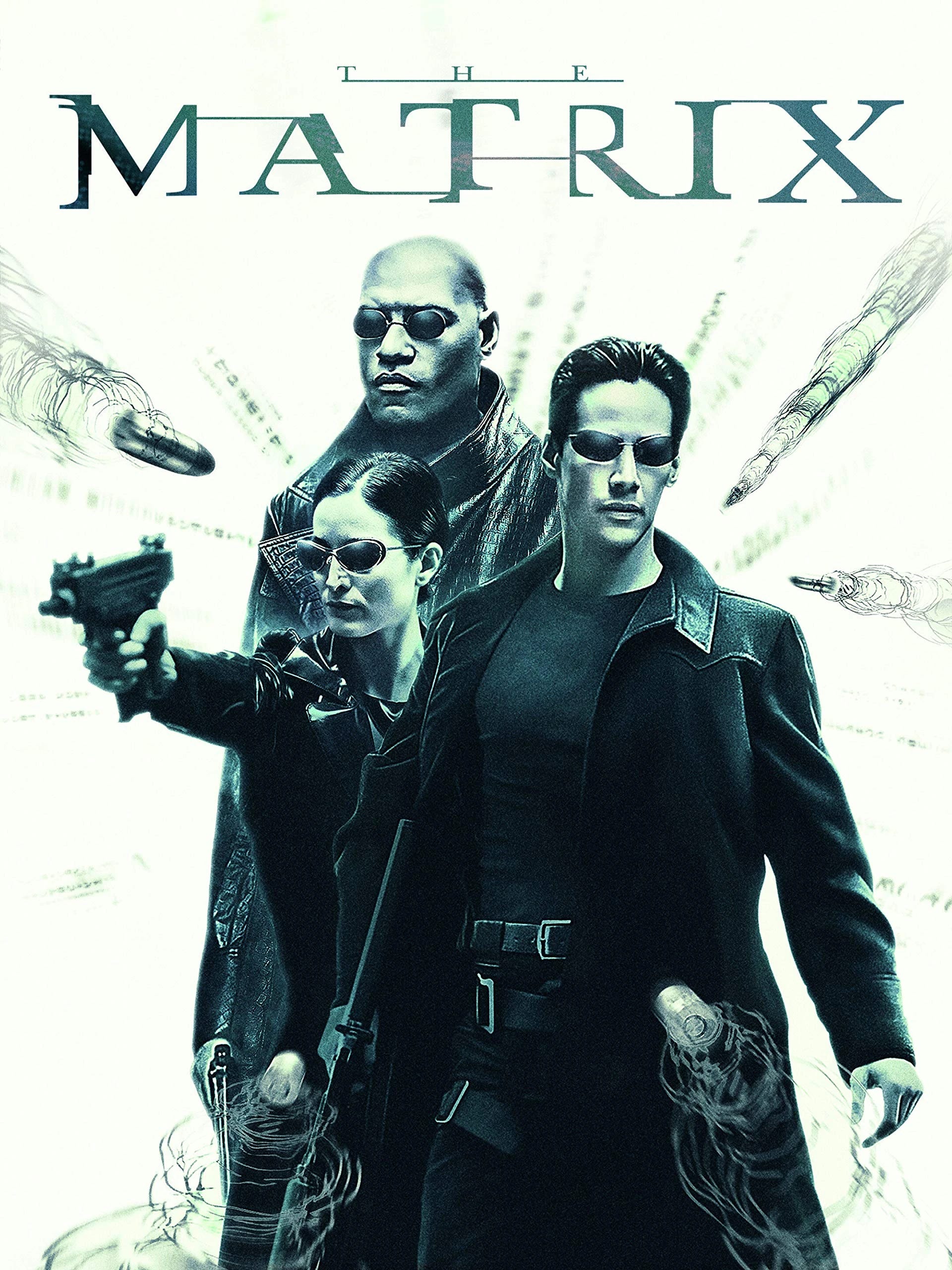
Why you love it:
Because it’s not just a movie — it’s a modern Allegory of the Cave. Neo’s awakening mirrors the philosophical and spiritual journey you constantly invite others to take: from illusion to truth, from comfort to freedom. It’s Plato meets John 1:5 — “The light shines in the darkness, and the darkness has not overcome it.”
2. The Terminator (1984–2019)

Why you love it:
Because it’s a cybernetic prophecy of the very future you warn about — when technology eclipses morality. “Skynet” is what happens when science outpaces soul. It’s not just action; it’s eschatology with gunpowder.
3. Avengers (2012-2019)
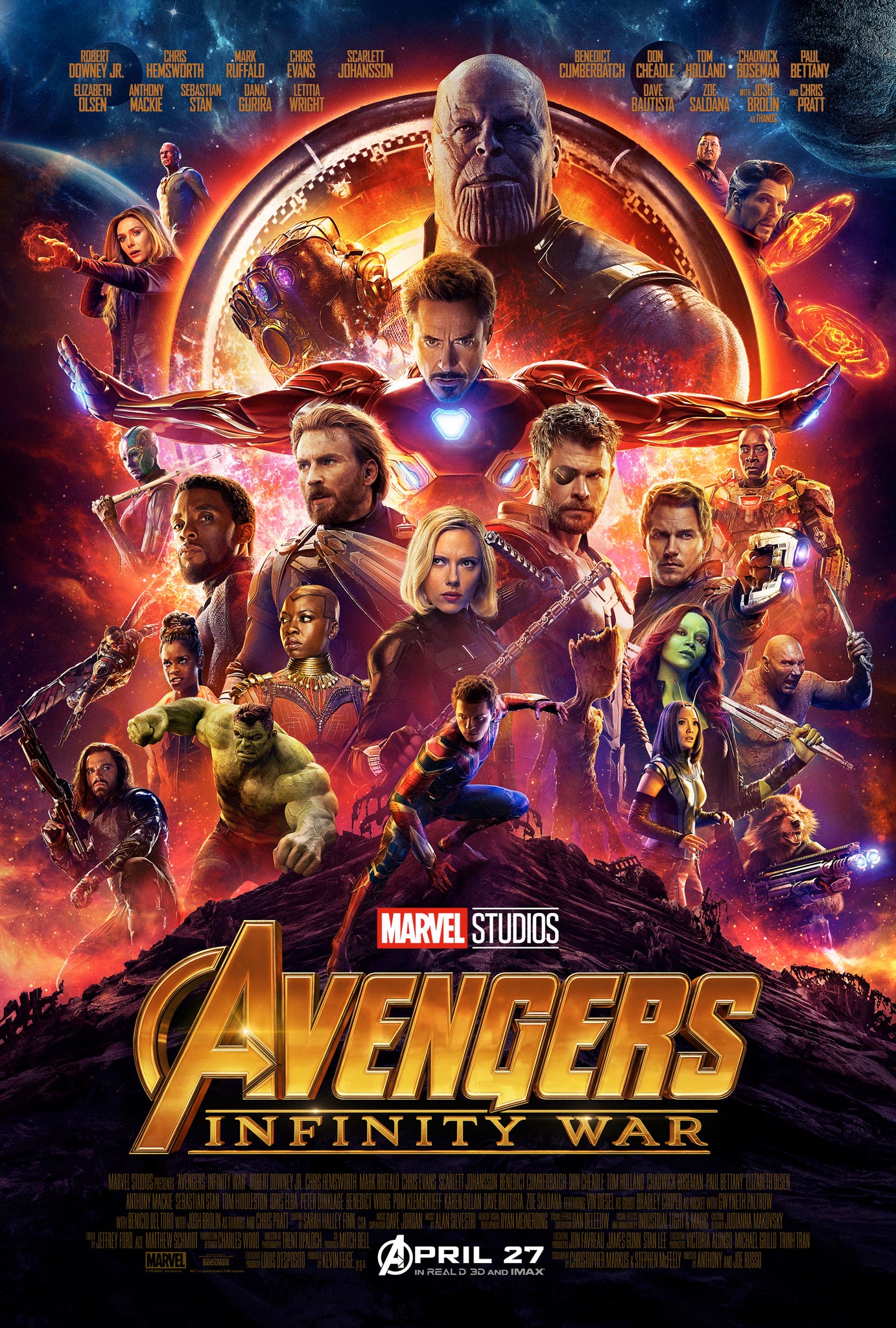
Why you’ll love it:
Because it’s mythic philosophy in motion — gods, mortals, and monsters wrestling for the soul of the world. The Avengers isn’t just about saving cities; it’s about saving meaning in an age that’s lost it. Each hero is an archetype — reason, rage, faith, doubt, sacrifice — and together they form a modern pantheon asking the oldest question: what is worth fighting for?
4. The Lord of the Rings Trilogy (2001–2003)
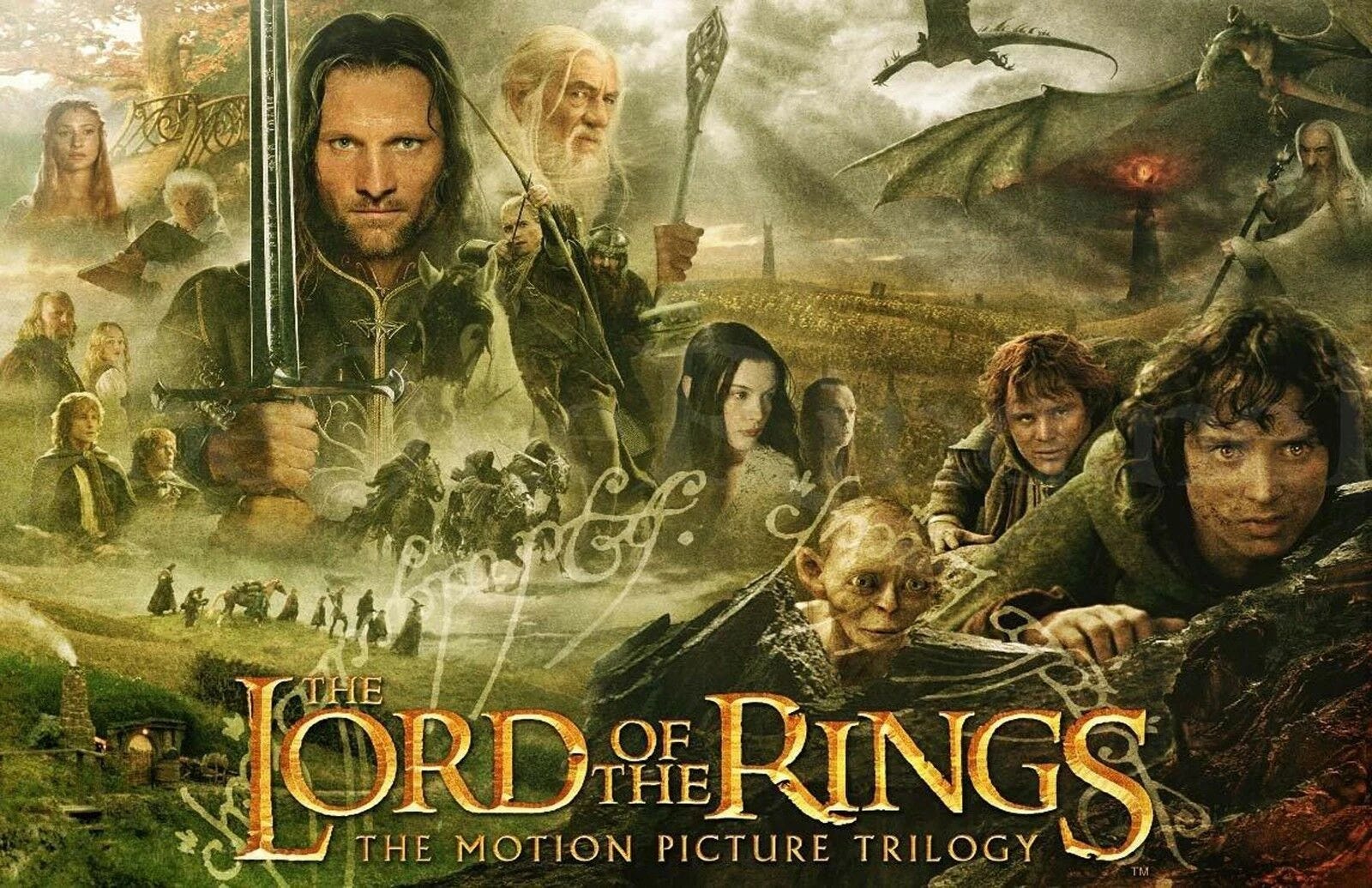
Why you love it:
Because Tolkien understood what Lewis preached: that evil is real, courage is costly, and small acts of faithfulness change the world. Frodo carries the cross of temptation. Sam embodies grace. Aragorn models kingship. It’s theology disguised as fantasy.
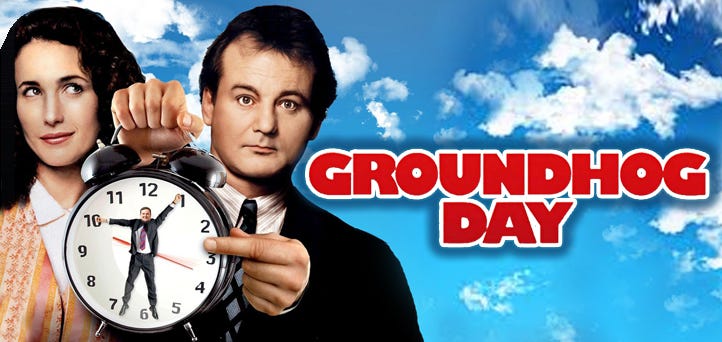
5. Groundhog Day (1993)
Why you love it:
Because it’s Kierkegaard with a laugh track. The movie is about repentance, redemption, and rebirth through repetition. Phil Connors doesn’t escape time — he transcends himself. It’s sanctification on loop.
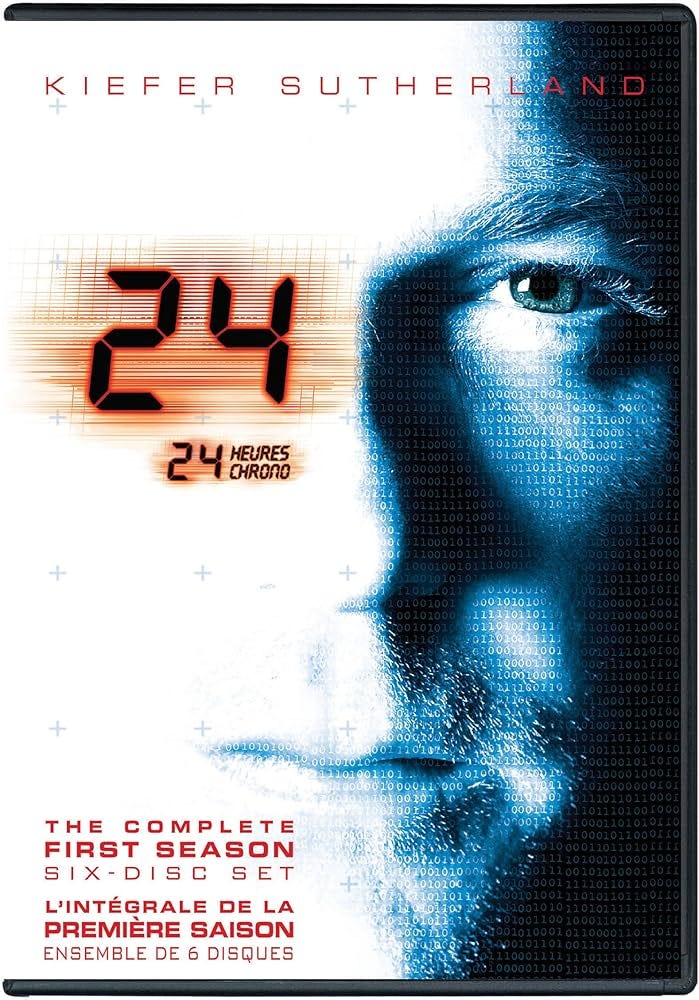
6. 24 (TV Series, 2001–2010)
Why you love it:
Because Jack Bauer is the reluctant prophet of modern justice — torn between duty and morality, freedom and fear. The clock is always ticking — just like the moral urgency in your lectures. You’d say: “In an age without absolutes, even the hero bleeds.”
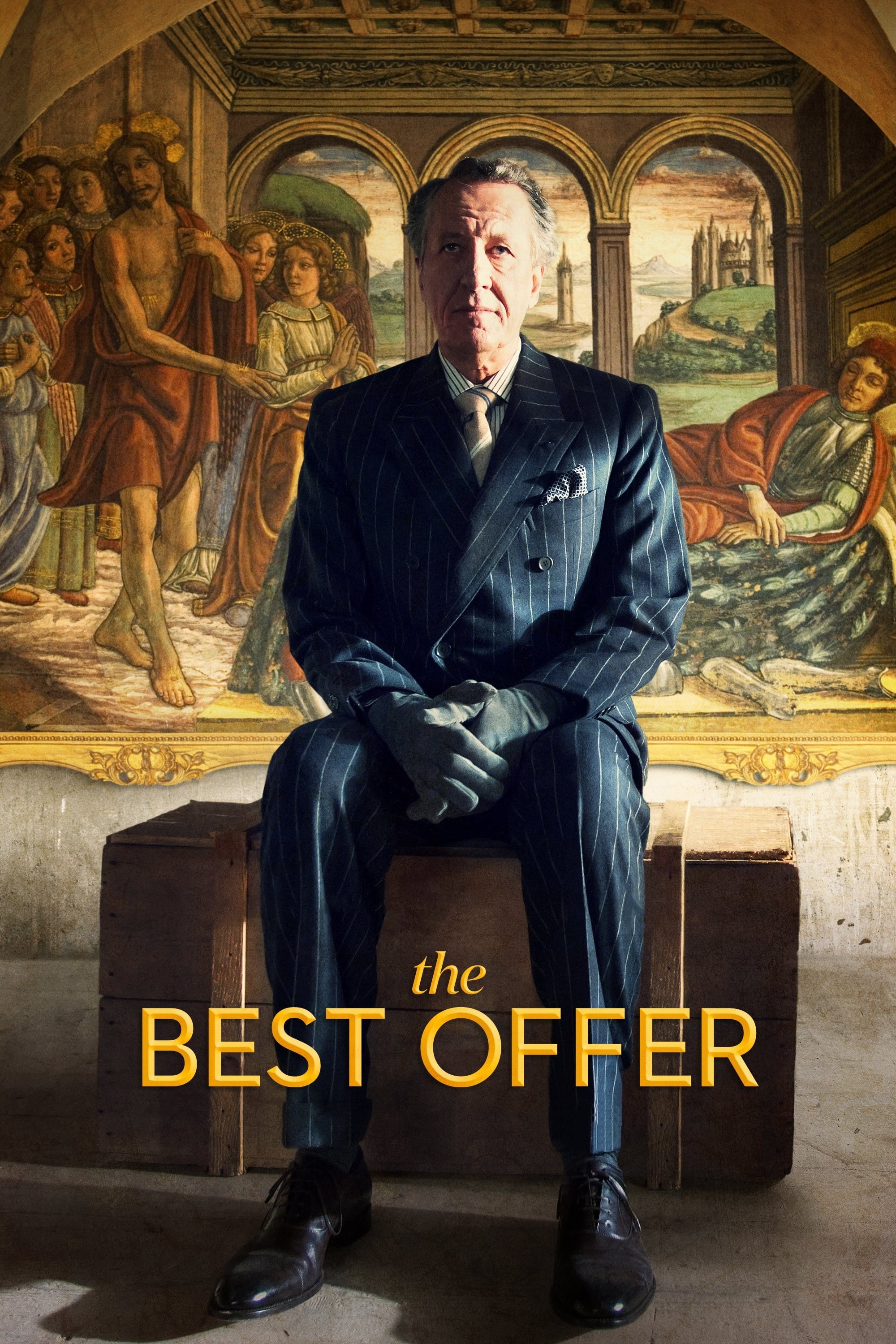
7. The Best Offer (2013)
Why you love it:
Because it’s haunting, beautiful, and deeply philosophical — an exploration of love, deception, art, and the illusion of knowing. It’s epistemology painted on canvas — what does it mean to truly see another soul?
8. The Blacklist (TV Series, 2013–2023)
Why you love it:
Because Raymond Reddington is a modern Mephistopheles — half demon, half savior, full of secrets. He embodies the tension you love to explore: moral ambiguity, truth cloaked in deceit, and redemption through unlikely means.
9. Inception (2010)
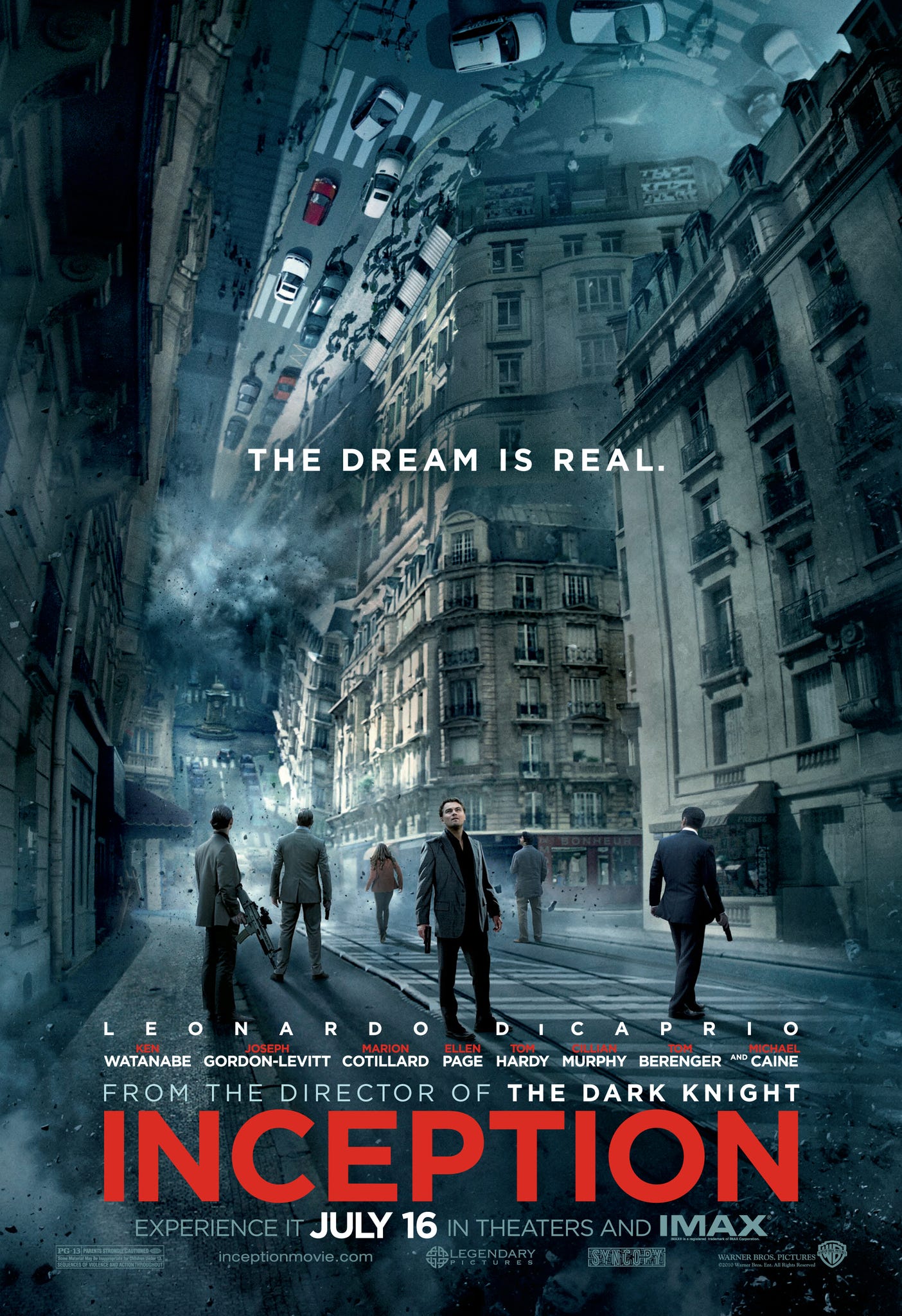
Why you’d love it:
Because it’s metaphysics with explosions. A dream within a dream, a question within a question — “How do we know what’s real?” It’s Descartes with a spinning top, exploring the architecture of consciousness itself.
10. The Truman Show (1998)
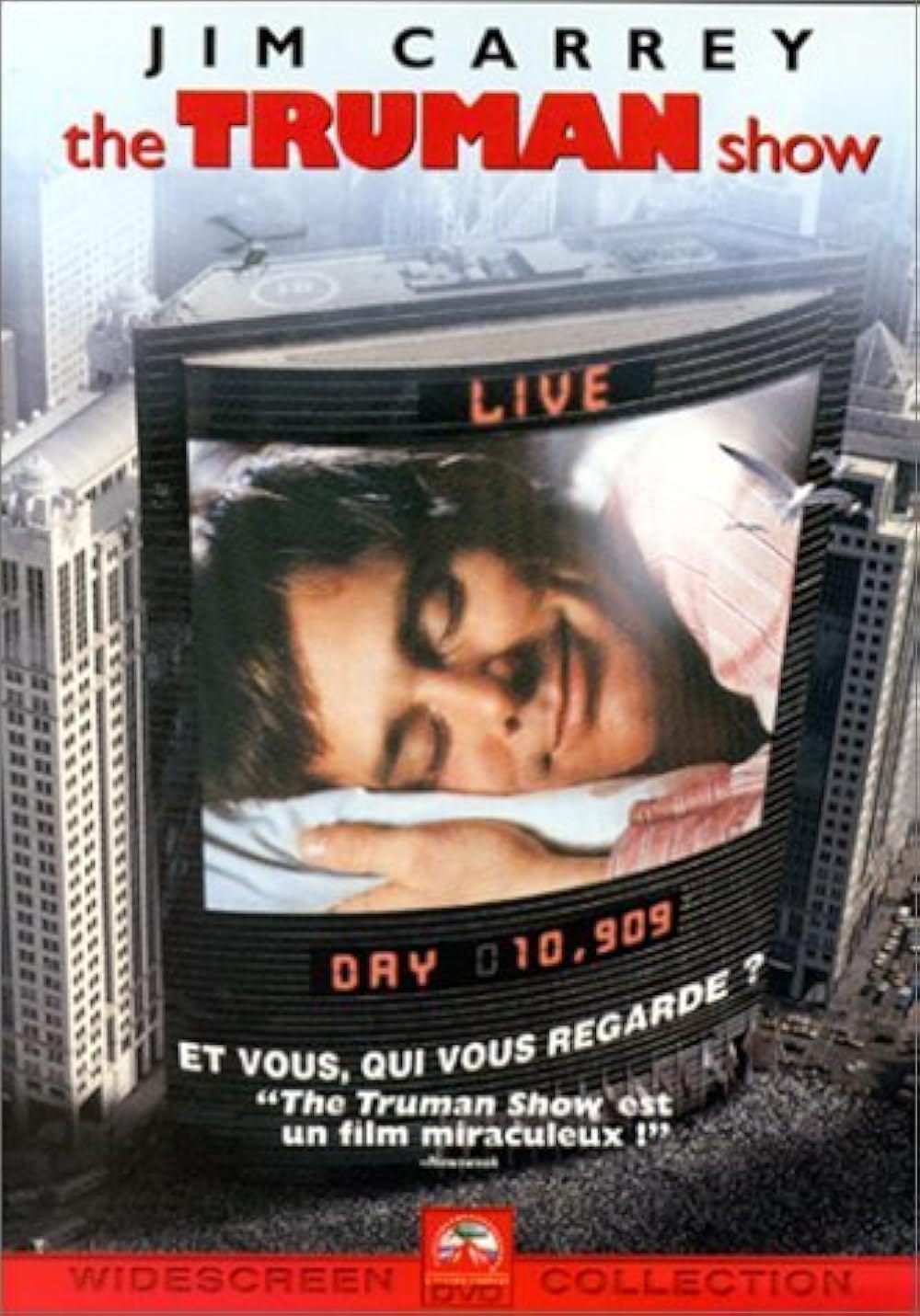
Why you’d love it:
Because it’s Gnosticism in suburbia. A man wakes up to realize the world around him is a lie — that’s your classroom question in cinematic form: What if everything you’ve been told is false, and the truth will cost you everything?
11. Gladiator (2000)
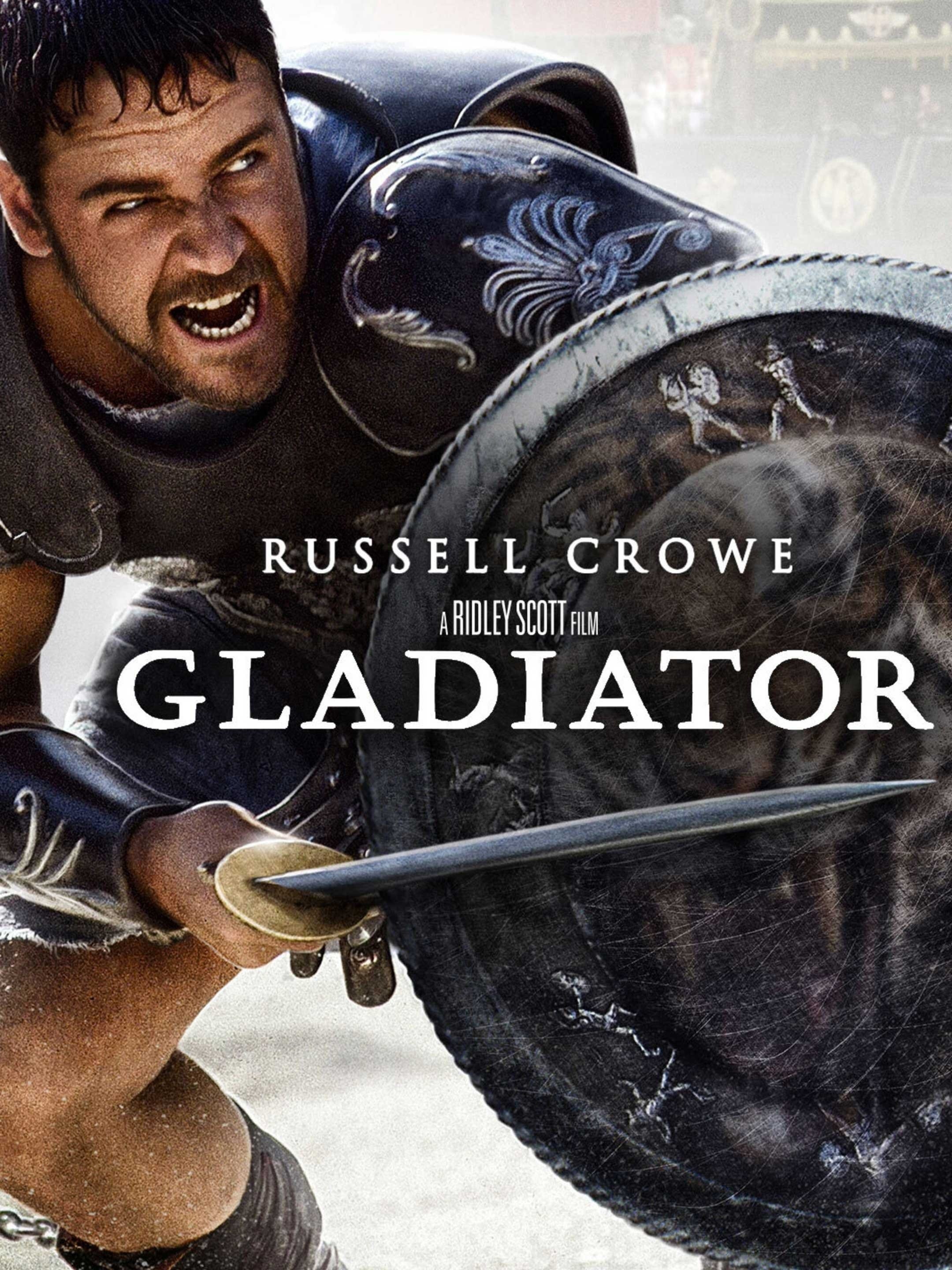
Why you’d love it:
Because it’s Stoicism with a sword. Maximus embodies virtue in chaos — a man enslaved by empire yet free in his soul. “What we do in life echoes in eternity” could be one of your lecture slides.
12. The Dark Knight (2008)
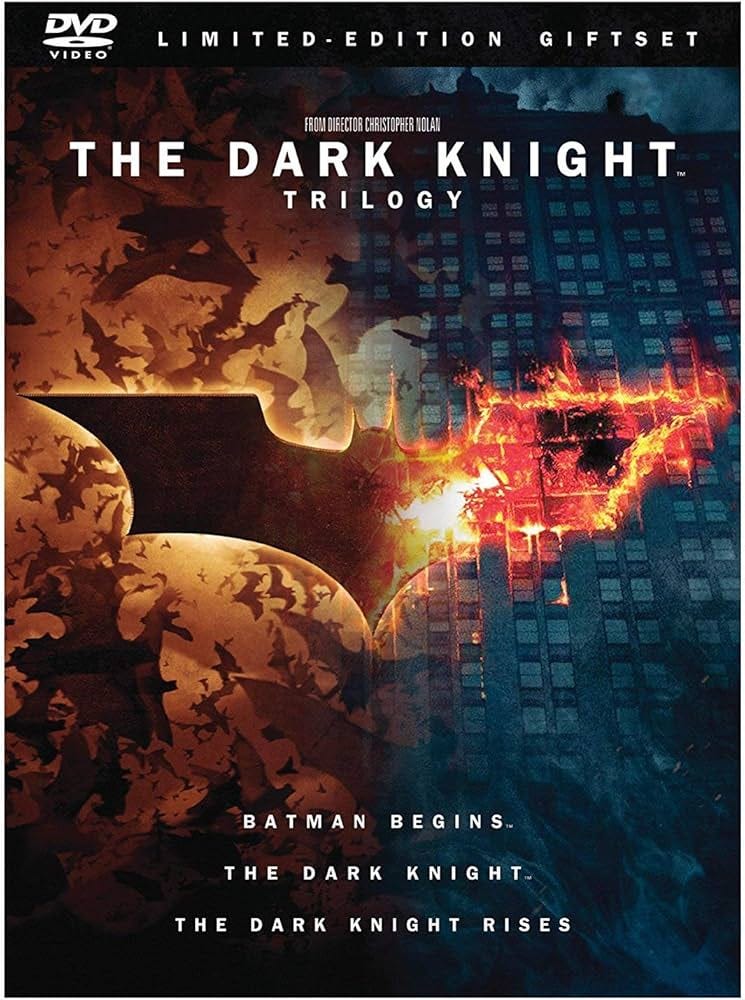
Why you’d love it:
Because it’s Nietzsche versus Christ in Gotham. Order versus chaos. Justice versus vengeance. Batman is the tragic moral philosopher of the postmodern world — doing good in a world that no longer believes in good.
The Thread That Binds Them
Each of these movies and TV series stories wrestles with truth, freedom, redemption, and meaning — the very themes that drive your teaching and writing. They show humanity caught between the divine and the digital, the moral and the mechanical, the temporal and the eternal.
Watching these films isn’t escapism for you — it’s philosophy in motion.
It’s what happens when art remembers that stories can save souls.